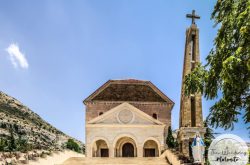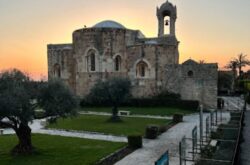

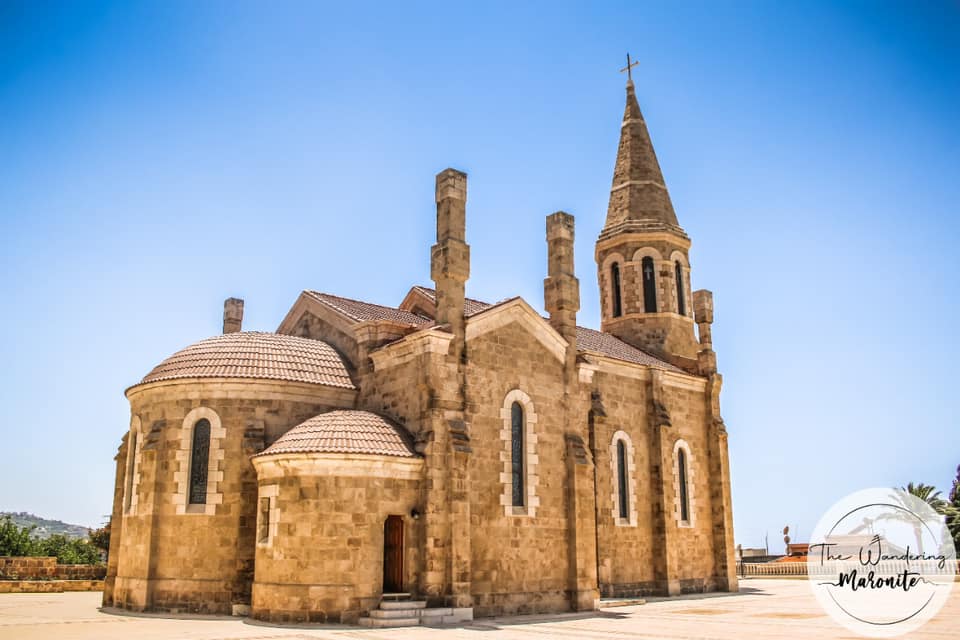
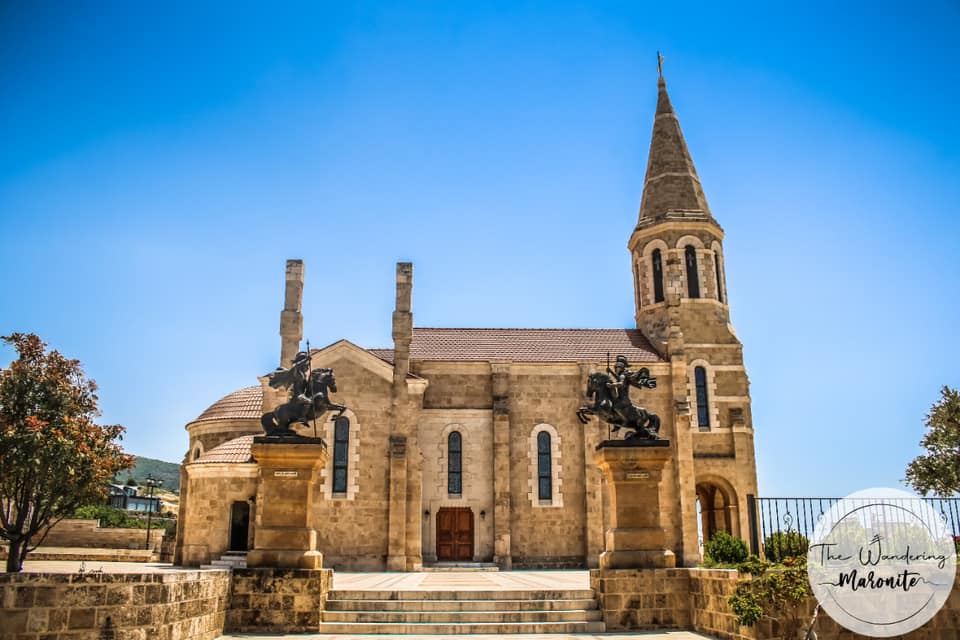
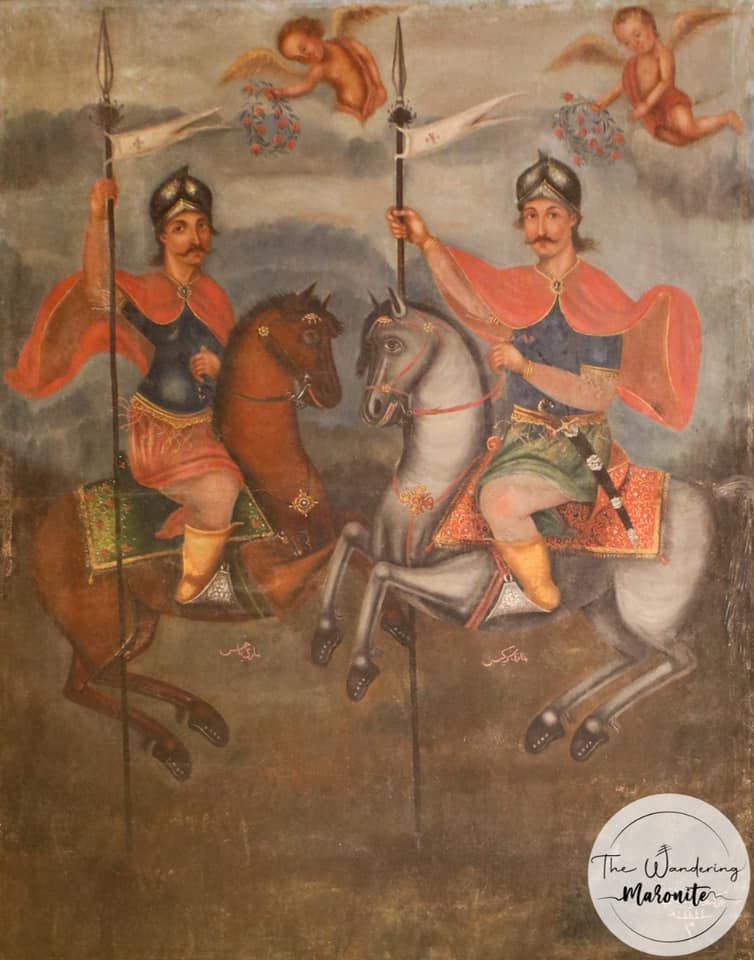
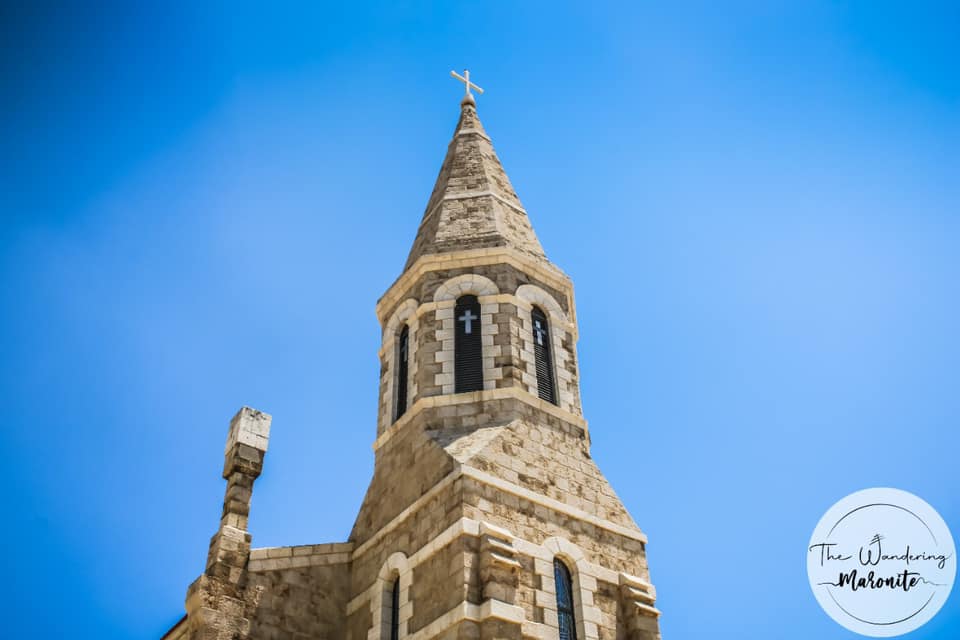
كنيسة مار سركيس وباخوس - كفرعبيدابوشر بناء الكنيسة سنة ١٩١٢ على أنقاض كنيسةٍ صغيرة أقدم، هندستها فريدة نيو رومانيّة تعلوها قبة مسدّسة. عام ١٩٨٨ رمّمت الكنيسة والساحة بما يتناسب مع الهندسة المعماريّة، وأضيفت إليها مجموعة من الزجاجيّات. تحوي الكنيسة على لوحةٍ قديمةٍ لمار سركيس وباخوس للفنّان كنعان ديب تعود لسنة ١٨٤٤.The church of Sts Sergius and Bacchus - KfarabidaThe church was built over an older one in 1913, according to a neo romanesque style with a heptagonal bell tower. In 1988 the church and the place were renovated and stained glass windows decorated the building. The church contains an old painting of Sts Sergius and Bacchus by Kanaan Dib dating back to year 1844.
هو من الأديار القديمة في الكنيسة المارونيَّة، بناه المرَدَةَ سنة ٨٥٠. إستولى عليه الحماديُّون حوالي سنة ١١٢١، مدَّةً من الزمن، فانتقل رهبانُه في أثنائها إلى دير سيِّدة إيليج. تَسَلَّمت الرهبانيَّةُ اللبنانيّة المارونيّة ديرَ ميفوق سنة ١٧٦٦، من الأمير يوسف الشهابيّ. انعقد في هذا الدير، مجمعًا إقليميًّا للكنيسة المارونيَّة، برئاسة القاصد الرسولي الأب بطرس دي مورينا و المطران ميخائيل الخازن سنة ١٧٨٠. سنة ١٨٥٠، أمضى فيه مار شربل سنة ابتداءٍ واحدة. أنشأت الرهبانيَّة معهدًا في الدير، سنة ١٩٢٢. وَمِن محفوظات دير سيِّدة – ميفوق، صورة سيِّدة إيليج الأثريَّة التي أُعيد ترميمُها بين سنتَي ١٩٨٢ ١٩٨٧. لعب الدّير دورًا على صُعُد التنشئة الرهبانيّة والوطنيّة دورًا بارزًا.
The monastery of Our Lady of Mayfouq - Mayfouq
One of the oldest Maronite monasteries built arround 850 by the Maradites. It was taken over by the Hamadi’s in 1121, and back then the monks moved to Ilige. The monastery was given to the Lebanese Maronite Order in 1766 by Prince Youssef Shehab. In 1780 a local Maronite council was held in the monastery presided by the papal delegate Fr Peter di Morina and bishop Mikael el Khazen. In 1850 St Charbel spent a year of his novitiate there. A school was founded by the order in 1922. The monastery holds the famous icon of our Lady of Ilige restored between 1982 and 1987. The monastery played a great national role and it was a major school of formation for the monks.
بنى أهل حدشيت الآتين إلى حمّانا الكنيسة الأولى بداية القرن السابع عشر، وحملوا معهم شفاعة مار رومانوس. سنة ١٧٢٣ أخذت الكنيسة شكلها الحاليّ: عقد مُصالب ينتهي بحنية. وًسّعت سنة ١٧٨٣. سنة ١٨٢٥ أنعم قداسة البابا لاوون الثاني عشر، بالغفارين للمذبح الكبير. تعرّضت للتخريب في أحداث ١٨٦٠، وكرّس مذبحها الجديد المطران نعمة الله سلوان سنة ١٨٧٣. في عشرينيّات القرن العشرين بُنيت القبّة والساعة الطنّانة. سنة ١٩٣٦ زارها البطريرك أنطون عريضة. رمّمت الكنيسة سنة ١٩٩٠. تضمّ الكنيسة العديد من المفارش البيعيّة المحليّة الصنع كبيت القربان وقبته، مجموعةً من اللوحات الغربيّة، ولوحة مار رومانوس مقتبسة عن لوحة حدشيت من عمل نجيب حاتم سنة ١٩٢٢.
The church of St. Raymond (Roumanos) - Hammana
The church was built in the beginning of the XVIth century by the villagers of Hadshit who resided in Hammana and imported the devotion towards their patron saint Raymond. In 1723 the church took its current form: a crossed vault with an apse. The church was enlarged in 1783. In 1825 Pope Leo XII gave the privilege to the church's altar. In 1860 the church was damaged during the civil war. The altar was reconsacrated in 1873 by Mgr. Nematullah Selwan. During the second decade a bell tower with a clock was added. In 1936 Patriarch Antoun Arida visited the church. In 1999 the church was restored. The church holds many ecclesiastical artifacts: a tabernacle with a baldaquin, western style paintings, and a painting of Saint Raymond inspired by the one in Hadshit by Najib Hatem dating back to 1922.
Monastery of Our Lady of Kaftoun, Kaftoun, Lebanon
دير السيّدة - كفتون
1910
Kaftoun
Koura
North
عود تأسيس الدّير الى القرن السادس، كُتِب عنه في منشورات تعود الى القرن التاسع موجودة في مكتبة أوكسفورد. تمَّ بناؤه على عِدَّة مراحل أمّا ترميمه الأخير فيعود الى العام 1910. الوجهة الخلفية للدير ملاصقة لشيرٍ صخريٍّ ضخم، وكنيسته في قلب الشير. كان الدير بدايةً ديرًا مارونيًّا سكنه المطران (البطريرك لاحقًا) إرميا الدملصاوي. بعد حملات المماليك تنسّك فيه الرهبان الأرثوذكس. كانت أوجّ الحياة الرهبانيّة فيه عام ١٩٠٤. وفي بداية السبعينات أضحى مهجوراً ونُهبت كافة الأيقونات والمخطوطات. تجدّدت الحياة الرهبانيّة في الدّير سنة ١٩٧٧. عام ١٩٩٧ أُعيدت إليه أيقونة سيّدة كفتون العجائبيّة. تكمن أهميّة هذه الأيقونة أنّها مرسومةٌ على الوجهتين: الأولى تعود الى القرن الحادي عشر وتُمثِّل العذراء مريم والسيّد المسيح، والثانية تعود الى القرن الثالث عشر وتُمثِّل معموديّة السيّد المسيح ومدوَّنٌ عليها باللغات الثلاث: السريانيّة والعربيّة واليونانيّة، شهادةً عريقةً للطقس السريانيّ الملكيّ. يضُمّ الدير آثارًا تاريخيّةً قديمة كأجران منحوتة بالصخر وآبار ومطحنة ومعصرة قديمة تعود للقرن السادس.
The monastery was founded in the VIth century and many documents from the IXth century attesting its existence are still present in the Library of Oxford. The building was done over time up until 1910. The monastery is built inside a rocky cliff, with the main church inside the cave. At first the monastery was served by the Maronites and was the seat of Bishop (later patriarch) Jeremiah of Dmalsa. After the Mamluk’s raids the ownership was taken by the Orthodox hermits. The monastic life saw its peak in 1904 yet it declined up to the seventies when the monastery was deserted and looted. The monastic life would be renewed in 1977. In 1997 the miraculous icon of Our Lady of Kaftoun was returned. The importance of that icon reside in its being a double sided icon: on the first side dating back to the XIth century is a depiction of the Theotokos, on the other one dating back to the XIIIth century is a Theophany with inscriptions in Arabic Greek and Syriac, a true witness to the Syriac Melkite Rite.
Reviews are disabled, but trackbacks and pingbacks are open.